
Belt Scale Weighing Solutions
Belt scales provide a cost-effective method for continuously weighing material as it is transported on a conveyor system. They are designed for reliable long-term operation and deliver accurate flow measurement in dynamic industrial environments.
The correct belt scale solution depends on the material being handled, the conveyor configuration, and the operating conditions. John White & Son has extensive experience in this area and can assess your application to recommend the most suitable system for your requirements.
Belt scales are used across a wide range of industries, including:
- Quarries
- Food production
- Recycling
- Chemical processing
- Steel manufacturing
JWS supplies a broad range of conveyor belt scales designed for different applications, materials, and environmental conditions. Depending on the system, multiple configuration options are available to ensure accurate performance across varying operating demands.
Belt scales are commonly used not only for measuring material flow but also for process control and dosing applications, supporting more efficient and consistent production.
How a Belt Scale Works
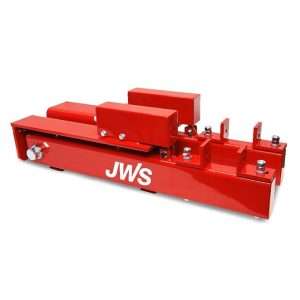
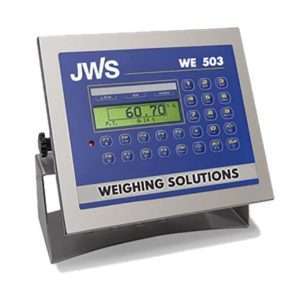
A belt scale typically consists of a weigh frame fitted with one or more load cells, a speed sensor, and a weighing controller. These components work together to calculate material flow by combining belt load (kg/m) and belt speed (m/s) to produce a measurement in kilograms or tonnes per hour.
System accuracy depends on several factors, including belt speed, belt inclination, material characteristics, conveyor structure, and environmental conditions such as moisture, dust, or corrosive atmospheres.
Correct specification of the weigh frame and speed sensor is essential to achieving reliable and consistent performance in real-world operating conditions.
Showing all 2 results