Product Regulation and Metrology Act 2025: Explained
The Product Regulation and Metrology Act 2025 introduces a new framework for updating UK rules covering product safety and legal metrology. For businesses that rely on weighing equipment for commercial or industrial processes, understanding what the legislation means and how future regulatory changes could affect their equipment is an important part of maintaining compliance.
With more than 300 years of experience in precision weighing, John White & Son has extensive expertise in the regulations and standards that apply to weighing equipment. This article explains what the Product Regulation and Metrology Act 2025 does, what it means for legal metrology and weighing systems, and what businesses should consider as the regulatory framework develops.
Key Takeaways
- The Product Regulation and Metrology Act 2025 gives the Government powers to update the UK’s product safety and legal metrology framework.
- The legislation specifically provides powers relating to weighing and measuring equipment, including requirements intended to ensure that instruments operate accurately.
- The Act itself does not mean that businesses need to replace existing weighing equipment, as any new requirements will depend on regulations introduced using the powers within the Act.
- Businesses using weighing equipment for trade should continue to focus on accuracy, maintenance, verification, and compliance with the regulations applicable to their particular equipment and use.
What Is the Product Regulation and Metrology Act 2025?
The Product Regulation and Metrology Act 2025 is UK legislation designed to give the Government greater flexibility to update regulations covering product safety and legal metrology. The Act received Royal Assent on 21 July 2025. Rather than introducing one comprehensive set of new technical requirements for every product covered by the legislation, it provides powers that can be used to make future regulations and amend existing requirements.
This is particularly relevant to legal metrology because weighing and measuring equipment needs to remain accurate and reliable as technology and commercial practices develop. The legislation provides a mechanism for the regulatory framework to be updated when required.
For businesses using weighing systems, the important distinction is between the Act itself and the detailed regulations made under it. The Act provides the legal powers, while individual regulations establish the specific requirements that businesses and equipment need to meet.
What Does the Act Mean for Legal Metrology?
Legal metrology covers the regulation of measurements where accuracy has a legal or commercial significance. This includes weighing equipment used in circumstances where the measurement can determine the quantity, price, or other commercial characteristics of goods.
Section 5 of the Product Regulation and Metrology Act 2025 gives the Secretary of State powers to make regulations concerning units of measurement and the quantities in which goods are marketed. These powers can also cover requirements relating to the marking and packaging of goods, the verification of quantities, and the retention of information.
Importantly for the weighing industry, the Act also provides powers to regulate products designed for weighing or measuring, including requirements intended to ensure that such products operate accurately. This provides scope for the UK legal metrology framework to evolve as weighing technology and its applications change, while maintaining confidence in measurements used for commercial purposes.
What Types of Weighing Equipment Are Affected?
The Act does not mean that every type of weighing equipment will automatically be subject to new requirements. The relevant regulations depend on the type of instrument and how it is being used.
Existing UK legal metrology legislation already covers a range of weighing and measuring equipment. This includes non-automatic weighing instruments, as well as different categories of automatic weighing instruments. For businesses, the key consideration is therefore the application of the equipment rather than simply whether a scale is used on a commercial site.
| Weighing application | Why compliance matters |
|---|---|
| Trade and commercial transactions | Where weighing determines the quantity or price of goods, specific legal metrology requirements may apply. |
| Industrial processes | Accurate weighing can be essential for controlling materials, production processes, and product consistency. |
| Manufacturing and batching | Incorrect measurements can affect the quantity of ingredients or materials used during production. |
| Goods handling and logistics | Reliable weight information can support stock management, transport processes, and commercial documentation. |
| Specialist weighing systems | Complex or integrated systems may require specialist assessment to ensure the equipment is suitable for its intended application. |
The precise requirements will depend on the equipment and its purpose. Businesses should therefore establish which regulations apply to their particular weighing systems rather than assuming that the same requirements apply to every scale or weighing installation.
Does the Product Regulation and Metrology Act Change the Rules for Weighing Scales?
The Act does not mean that businesses need to immediately replace their existing weighing equipment. Instead, it gives the Government powers to update the regulatory framework in future. Businesses should therefore continue to comply with the legislation that currently applies to their equipment while keeping an eye on relevant regulatory developments.
For weighing equipment used in regulated commercial applications, this means continuing to consider factors such as:
- Whether the equipment is suitable for its intended purpose and application.
- Whether the equipment meets the relevant legal requirements.
- Whether it has been correctly verified where verification is required.
- Whether appropriate maintenance and testing are being carried out.
- Whether records relating to servicing, calibration, verification, and compliance are being properly maintained.
The introduction of the Act does not remove these existing responsibilities. Instead, it creates a framework through which the UK’s requirements can be updated as necessary.
Why Is Accurate Weighing Important for Industrial Businesses?
Accuracy is fundamental to any business process where weight is used to determine the quantity or value of goods. For an industrial business, weighing equipment may form part of a wider production or operational process rather than simply being used as a standalone scale. A weighing system could, for example, feed measurements into other equipment or software, control the quantity of material used in a process, or provide information that is used for a commercial transaction.
An issue with weighing accuracy can therefore have consequences beyond the measurement shown on the display. Depending on the application, inaccurate weighing can affect production efficiency, material usage, stock records, customer charges, or compliance.
For businesses operating critical weighing systems, maintaining accuracy should therefore be treated as an ongoing operational requirement rather than a one-off installation consideration.
What Should Businesses Do?
There is no need for businesses to make changes simply because the Product Regulation and Metrology Act 2025 has become law. However, it is sensible to use the legislation as an opportunity to review how weighing equipment is managed and maintained.
1. Review Your Weighing Equipment
Businesses should have a clear understanding of the weighing equipment they operate, including its purpose and whether it is used in a regulated application. This is particularly important for organisations with multiple sites or a combination of weighing systems used for different purposes, as the applicable requirements may vary between applications.
2. Check Verification and Maintenance Requirements
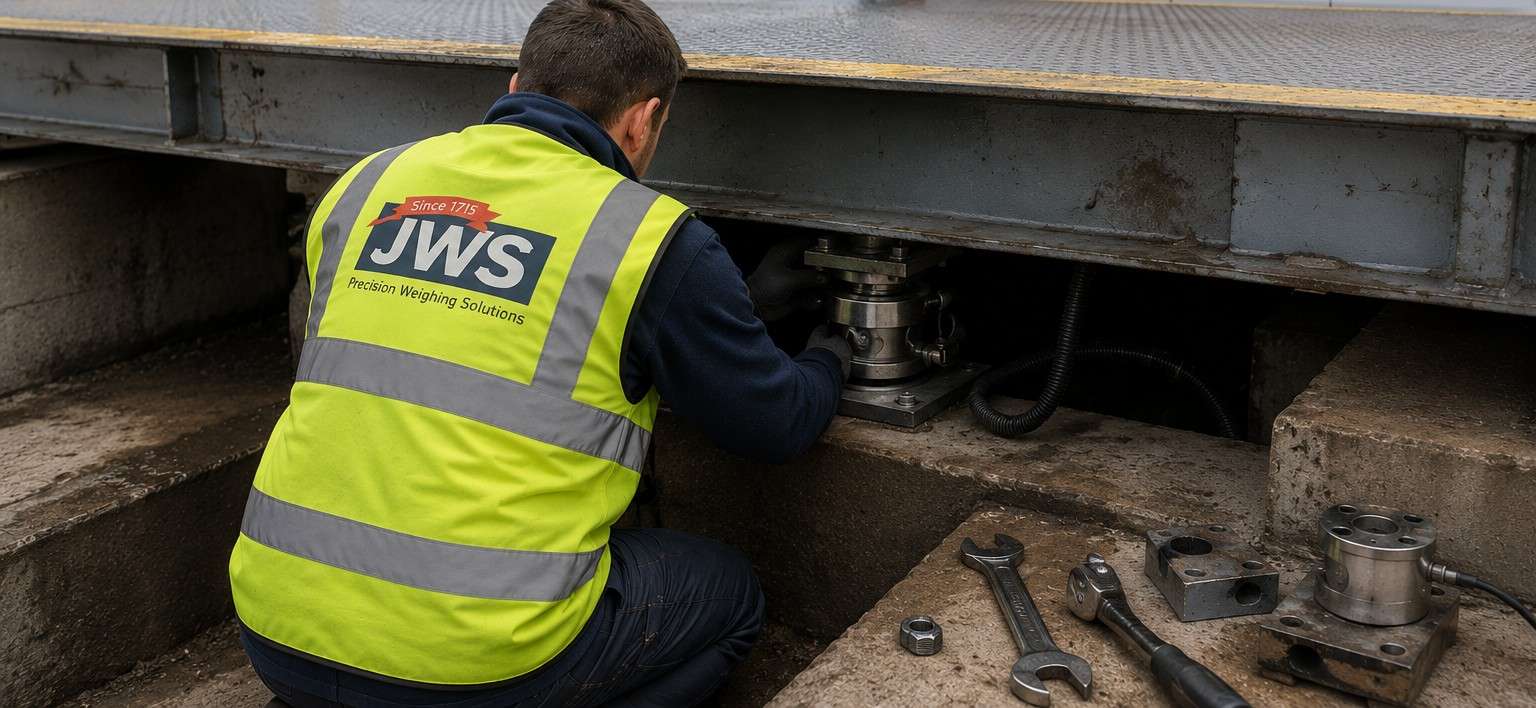
Where weighing equipment is subject to legal metrology requirements, businesses need to ensure that the relevant verification and compliance requirements are being met. Regular servicing and maintenance are also important for identifying potential problems before they affect weighing accuracy or disrupt operations.
3. Keep Accurate Records
Documentation can play an important role in demonstrating that weighing equipment is being appropriately managed. Records of servicing, testing, calibration, verification, and repairs can provide a useful history of an instrument’s condition and maintenance. A well-maintained record also makes it easier to identify recurring problems or plan future servicing requirements.
4. Monitor Regulatory Developments
The Product Regulation and Metrology Act gives the Government powers to amend the UK’s legal metrology framework. Businesses using regulated weighing equipment should therefore keep relevant regulatory developments under review. For businesses with critical or complex weighing systems, working with an experienced weighing specialist can provide additional reassurance when requirements change.
How Can a Weighing Specialist Help With Compliance?
Determining which requirements apply to a particular weighing system isn’t always straightforward, especially when equipment is integrated into a wider industrial process. A specialist weighing provider can assess the intended application of equipment and advise on the appropriate weighing solution, while also providing services such as installation, calibration, verification, maintenance, and repair.
This can be particularly valuable for businesses where weighing accuracy has a direct impact on production or commercial operations. Having an experienced service provider involved can also make it easier to identify potential equipment issues and respond quickly when a weighing system requires attention.
For businesses reviewing their existing systems, it can therefore be useful to consider compliance alongside the wider performance and reliability of the equipment.
Precision Weighing & Compliance Support From John White & Son
For businesses using weighing equipment, the immediate priority remains ensuring that systems are accurate, appropriately maintained, and compliant with the regulations relevant to their application.
John White & Son has provided precision weighing systems and industrial scales since 1715, combining engineering expertise with specialist knowledge of weighing regulations and standards. The company is ISO 9001 accredited and a NAWI-approved self-verifier, supporting businesses that require reliable weighing equipment and regulatory compliance.
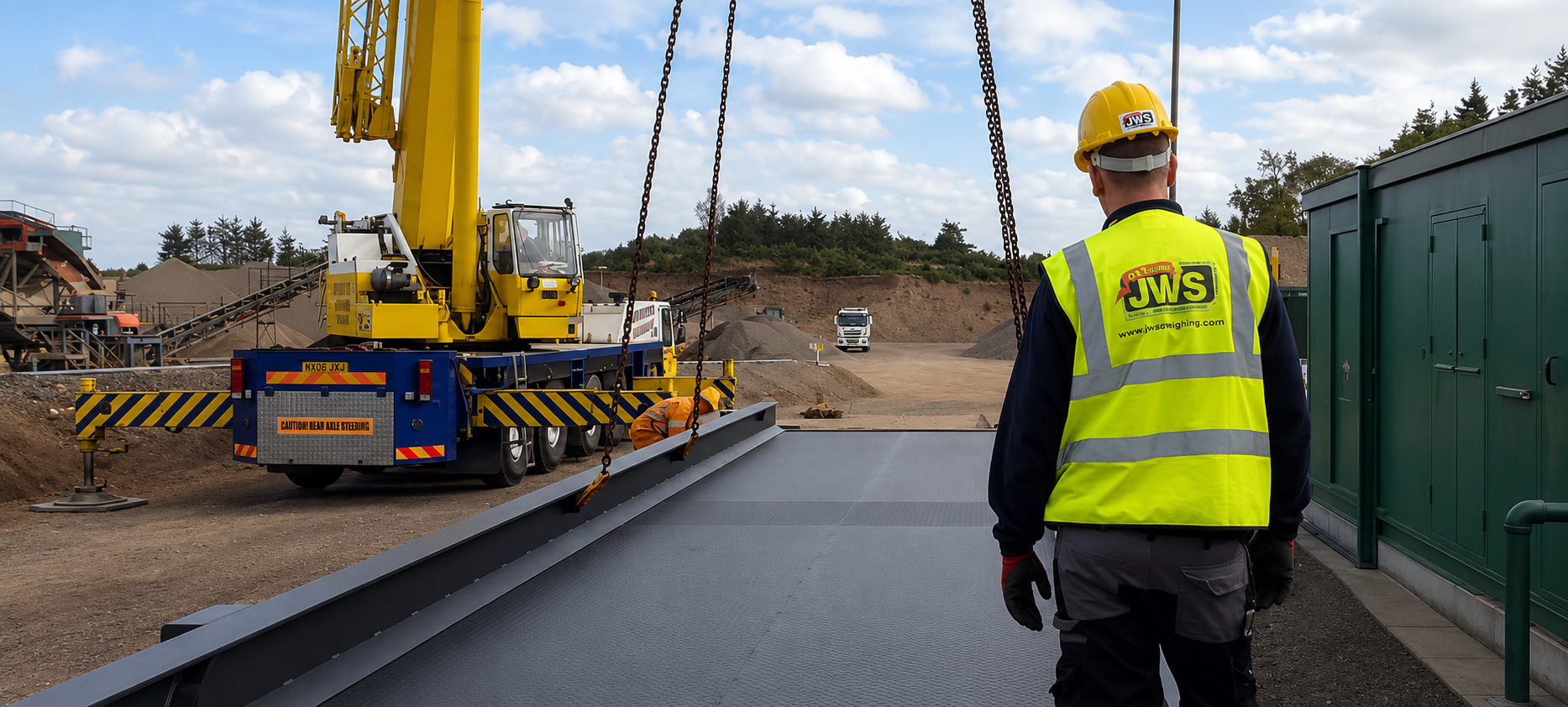
With four dedicated hubs across the UK, John White & Son provides support throughout the equipment lifecycle, including weighing system design, installation, calibration, verification, maintenance, and servicing.
If you need advice on the compliance of an existing weighing system or are planning a new industrial weighing installation, get in touch with John White & Son to discuss your requirements.